


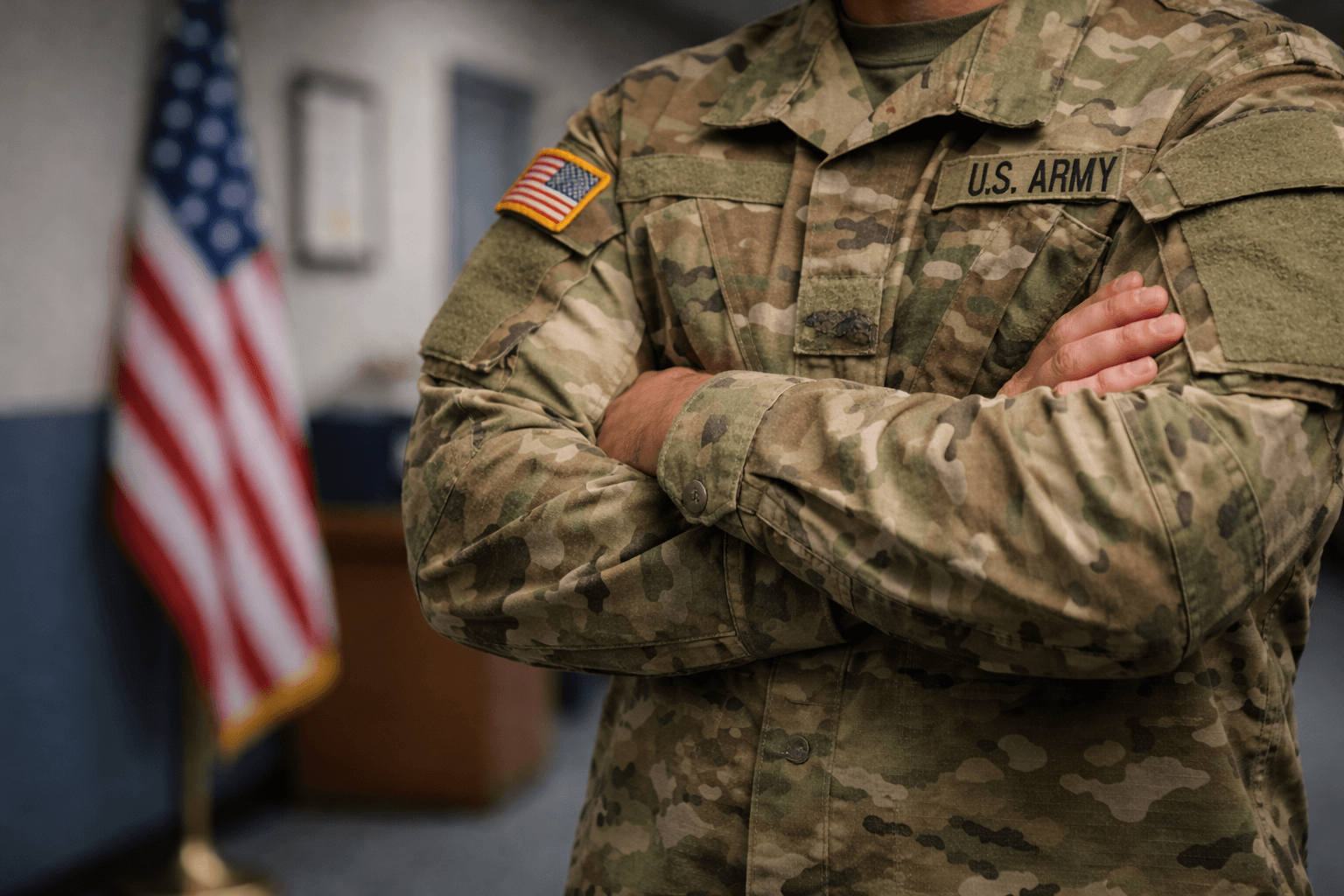
False Accusations in the Military: How to Defend Yourself Against Wrongful Allegations

At Military Defender, we represent service members who are facing one of the most devastating challenges in a military career: a false accusation. Whether the allegation involves misconduct, assault, fraud, or another violation under the Uniform Code of Military Justice (UCMJ), the mere accusation can trigger investigations, damage reputations, and place careers at immediate risk.
In the military environment, accusations are often taken seriously from the outset — and rightly so. However, seriousness does not equal guilt. False or exaggerated claims do occur, and when they do, the consequences can escalate quickly if not handled strategically.
Understanding how to respond from the very beginning is critical.
How False Accusations Arise in the Military
False allegations can emerge in many contexts, including:
- Interpersonal conflicts within a unit
- Relationship disputes
- Misunderstandings involving alcohol
- Professional competition or retaliation
- Administrative or performance-related disagreements
In some cases, the accusation may stem from a genuine misunderstanding. In others, it may involve incomplete information or conflicting accounts. Regardless of intent, once a report is made, the process often moves forward rapidly.
What Happens After an Allegation Is Made
Once an accusation is reported, command or military law enforcement agencies such as CID, NCIS, or OSI may initiate an investigation.
This may involve:
- Interviews with witnesses
- Collection of digital evidence (phones, emails, social media)
- Review of surveillance footage
- Written statements
- Temporary duty reassignment or no-contact orders
Even before any finding is made, a service member may experience immediate professional consequences.
The Presumption of Innocence vs. Military Reality
Legally, service members are presumed innocent. However, in practice, an accusation can create immediate administrative impacts, including:
- Suspension from certain duties
- Loss of leadership roles
- Delayed promotions
- Security clearance review
- Reputational harm within the unit
The military’s emphasis on good order and discipline often results in precautionary measures that feel punitive — even before guilt is established.
Your Rights During a Military Investigation
If you are accused, you have important legal rights, including:
- The right to remain silent
- The right to consult with an attorney
- Protection under Article 31(b) of the UCMJ
- The right to review and respond to evidence
- The right to present witnesses and documentation
One of the most common mistakes service members make is attempting to “clear things up” by speaking freely to investigators without legal guidance.
Even truthful statements can be misinterpreted or taken out of context.
Why Early Action Matters
The earliest stage of an investigation is often the most critical. Decisions made in the first few days can shape the entire trajectory of the case.
Strategic early steps may include:
- Preserving digital evidence
- Identifying favorable witnesses
- Avoiding unnecessary communications
- Reviewing prior statements for consistency
- Evaluating procedural compliance
Waiting until charges are filed can limit available defense options.
When False Allegations Escalate
If an investigation results in formal action, possible outcomes may include:
- Non-Judicial Punishment (Article 15)
- Administrative separation proceedings
- Court-martial charges
- Security clearance suspension
Even if criminal charges are not pursued, administrative consequences can permanently alter a military career.
The Impact on Reputation and Career
False accusations can affect more than immediate discipline. Long-term consequences may include:
- Damaged professional reputation
- Loss of trust within leadership
- Reduced advancement opportunities
- Difficulty obtaining favorable assignments
- Challenges transitioning to civilian employment
The military environment is highly interconnected, and reputational harm can spread quickly.
Building a Strong Defense Strategy
A successful defense often involves:
- Careful analysis of evidence
- Challenging inconsistencies in witness statements
- Reviewing investigative procedures for errors
- Presenting character evidence
- Demonstrating motive or bias when relevant
False accusations often unravel under careful scrutiny — but only if properly challenged.
Common Mistakes to Avoid
Service members facing false allegations should avoid:
- Contacting the accuser
- Discussing the case with coworkers
- Posting about the situation on social media
- Providing multiple informal explanations
- Ignoring command notifications
Protecting your case requires discipline and strategic restraint.
How Military Defender Protects Service Members
At Military Defender, we understand that false accusations can feel isolating and overwhelming. Our role is to protect your rights, challenge unsupported claims, and ensure that your side of the story is presented effectively and strategically.
We work proactively to limit escalation, defend against charges, and safeguard careers whenever possible.
Protect Your Future Before the Situation Escalates
If you have been falsely accused of misconduct in the military, early action is essential. The steps you take now can determine whether the allegation is resolved or escalates into career-ending consequences.
Contact Military Defender today to discuss your situation and take proactive steps to protect your military career, reputation, and future.
contact us
Take Command of Your Defense
Fill out the short form below and let our military law experts stand by your side in the fight for justice.