


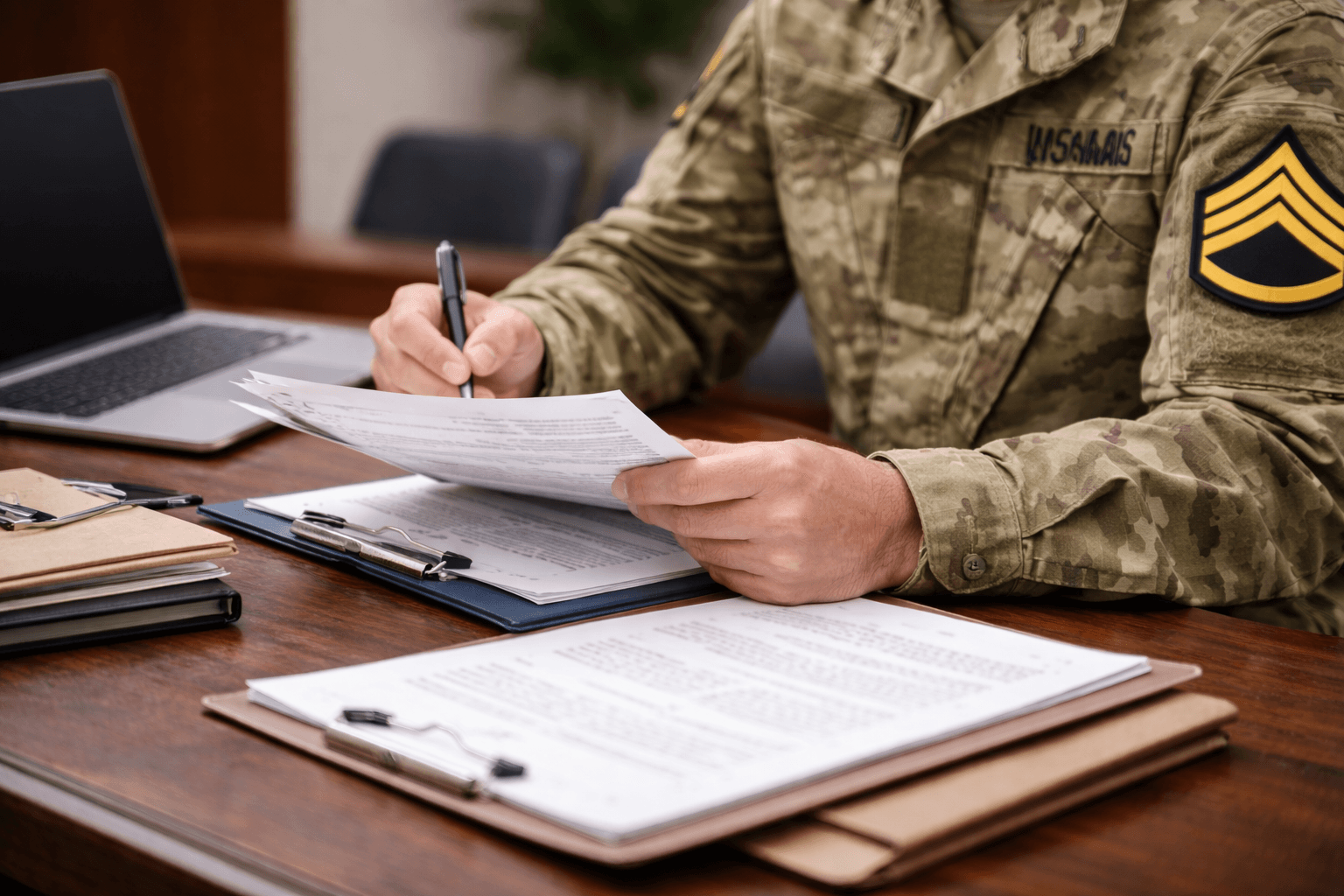
How Long Does a Military Investigation Usually Take?

At Military Defender, one of the most common questions we hear from service members who are under investigation is simple but extremely important: How long will this take?
Military investigations can be stressful, uncertain, and disruptive to a service member’s career and personal life. Once an investigation begins, many individuals feel as though their entire future is on hold while they wait for answers. Unfortunately, there is no single timeline that applies to every situation. Some investigations conclude within a few weeks, while others can take several months or longer.
Understanding how the military investigation process works—and what factors influence its duration—can help service members better prepare for what lies ahead.
What Is a Military Investigation?
A military investigation is a formal inquiry into alleged misconduct involving a service member. These investigations are typically conducted to determine whether a violation of the Uniform Code of Military Justice (UCMJ) or military regulations has occurred.
Depending on the nature of the allegations, investigations may be handled by several different agencies or authorities, including:
- Command-directed investigations
- Military law enforcement agencies such as CID, NCIS, or OSI
- Inspector General inquiries
- Administrative investigations conducted within a unit
The goal of the investigation is to gather evidence, interview witnesses, and determine whether disciplinary or legal action should follow.
Typical Timeline for Military Investigations
Although every case is different, many military investigations follow a general timeline that unfolds in several phases. Understanding these stages can help explain why the process sometimes takes longer than expected.
Initial Allegation or Complaint
The process begins when an allegation is reported. This report may come from another service member, a civilian, a supervisor, or a law enforcement authority.
Once the allegation is made, command or investigators must determine whether the claim warrants a formal investigation.
This stage can take anywhere from a few days to several weeks, depending on how quickly the allegation is evaluated.
Opening the Investigation
If the allegation is considered credible or serious enough, investigators will formally open a case. During this stage, investigators begin gathering information such as:
- Witness statements
- Physical evidence
- Digital communications
- Surveillance or documentation
This phase can vary widely in length depending on how complex the case is.
Some investigations may progress quickly, while others require extensive evidence collection.
Interviews and Evidence Collection
This stage often takes the most time. Investigators may need to interview numerous individuals, review digital records, or analyze documents related to the case.
Common investigative activities include:
- Interviewing witnesses
- Reviewing text messages or emails
- Collecting phone or computer data
- Examining financial or administrative records
If the investigation involves multiple witnesses or complex evidence, this phase may take several weeks or even months.
Review by Command and Legal Authorities
Once investigators gather sufficient evidence, the case is typically reviewed by legal authorities and command leadership. This review determines whether further action should be taken.
Possible outcomes may include:
- No action taken
- Administrative action
- Non-Judicial Punishment (Article 15)
- Administrative separation proceedings
- Referral of charges to court-martial
This decision-making stage can add additional time to the process because legal officers must carefully review the evidence and determine the appropriate course of action.
Factors That Affect How Long an Investigation Takes
Several factors influence the length of a military investigation. These variables explain why some cases resolve quickly while others take much longer.
Complexity of the Allegations
More complex cases typically require more extensive investigation. Allegations involving financial misconduct, digital evidence, or multiple incidents often take longer than straightforward disciplinary matters.
Number of Witnesses
Cases involving multiple witnesses can significantly extend the investigation timeline. Investigators must coordinate interviews, compare statements, and verify the credibility of each witness.
Availability of Evidence
Sometimes investigators must wait to obtain critical evidence, such as electronic records, forensic reports, or official documentation. Delays in obtaining this information can slow the process.
Operational Demands
Military operations, deployments, and mission requirements can also affect investigative timelines. In certain situations, investigators or witnesses may not be immediately available due to operational responsibilities.
What Happens While the Investigation Is Ongoing
During an investigation, service members may experience temporary changes to their duties or responsibilities. In some cases, command may impose administrative measures while the investigation continues.
These actions may include:
- Temporary reassignment
- Restrictions on certain duties
- Suspension from sensitive positions
- Review of security clearance status
These measures do not necessarily indicate guilt, but they can still create significant stress and uncertainty.
Why Investigations Sometimes Feel Like They Take Forever
Many service members feel frustrated by the length of military investigations. One reason for this is that much of the investigative work occurs behind the scenes.
Investigators must ensure that:
- Evidence is properly collected
- Witness statements are verified
- Legal standards are met
Taking shortcuts during an investigation could compromise the integrity of the case, which is why investigators often proceed carefully and methodically.
Common Mistakes Service Members Make During an Investigation
When facing a prolonged investigation, it is easy for service members to become anxious or impatient. However, certain actions can make the situation worse.
Common mistakes include:
- Discussing the investigation with coworkers
- Attempting to influence witness statements
- Posting about the situation on social media
- Ignoring legal advice
These actions can complicate the investigation and potentially create additional problems.
How Legal Guidance Can Help During an Investigation
Having experienced legal guidance during an investigation can make a significant difference. An attorney familiar with military law can help service members understand their rights and navigate the process effectively.
Legal counsel may assist with:
- Understanding investigative procedures
- Evaluating potential risks
- Preparing responses to questioning
- Protecting the service member’s rights throughout the investigation
Early guidance can often prevent misunderstandings and help service members make informed decisions during a stressful time.
How Military Defender Supports Service Members Under Investigation
At Military Defender, we understand how difficult it can be to face uncertainty during a military investigation. Service members often feel isolated and unsure of what to expect next.
Our approach focuses on helping clients understand the process, protecting their rights, and ensuring that allegations are evaluated fairly and accurately. By addressing issues early in the investigation, we work to protect our clients’ careers, reputations, and futures.
Take Action If You Are Under Investigation
If you have been notified that you are under investigation, it is important to take the situation seriously. The choices you make during this period can significantly affect the outcome of your case.
Contact Military Defender today to discuss your situation and take proactive steps to protect your military career and future.
contact us
Take Command of Your Defense
Fill out the short form below and let our military law experts stand by your side in the fight for justice.