


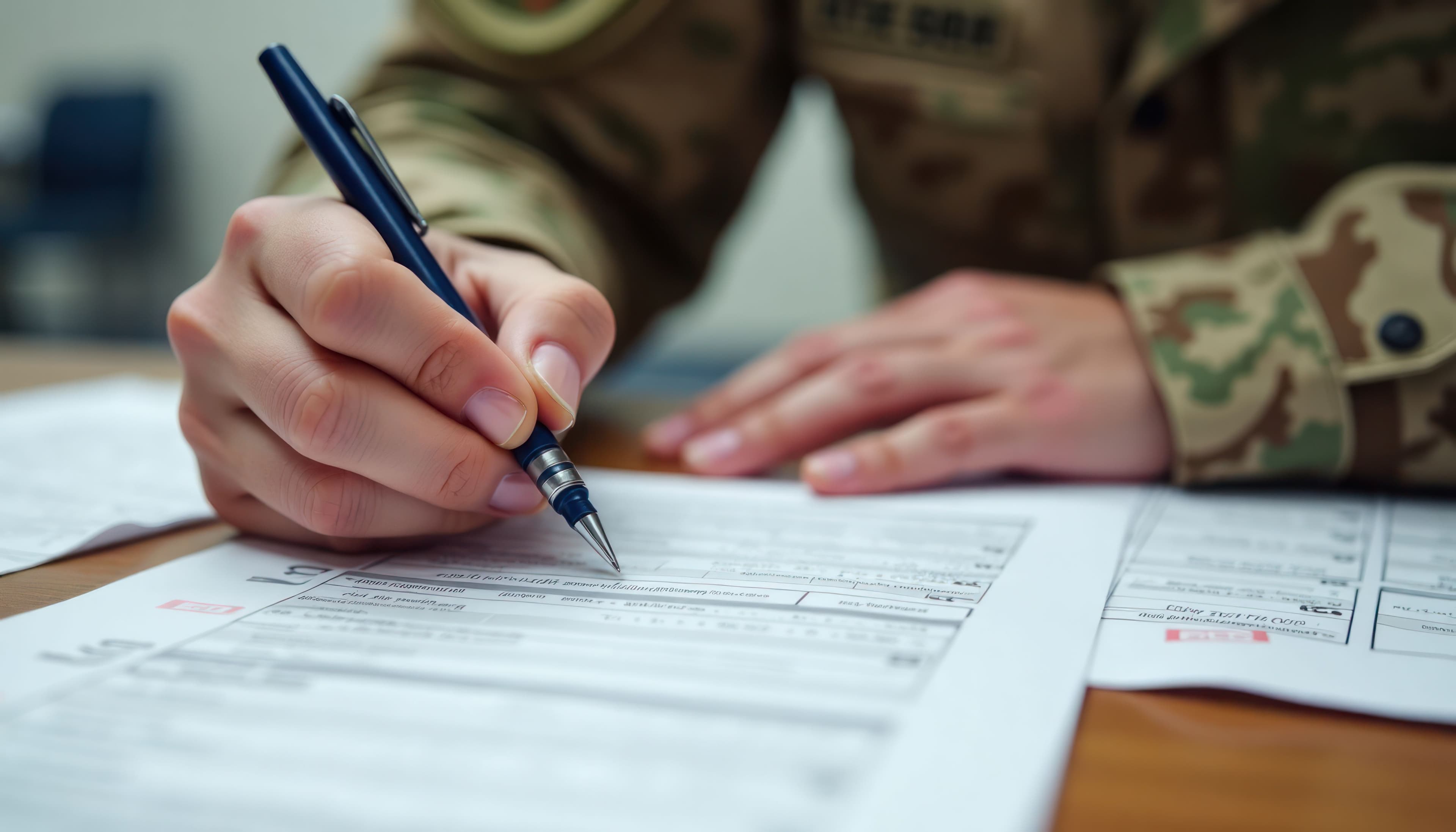
Military Investigations: What to Do When You Are Under CID, NCIS, or OSI Investigation

At Military Defender, we regularly assist service members who suddenly find themselves under investigation by military law enforcement agencies such as CID, NCIS, or OSI. For many, the moment they learn they are being investigated is confusing, intimidating, and overwhelming. What begins as “just a few questions” can quickly evolve into a career-threatening situation.
Military investigations are not informal conversations. They are structured legal processes designed to gather evidence that may later be used in court-martial proceedings, administrative separation, or security clearance determinations. Knowing how these investigations work — and how to respond — is critical to protecting your rights and your future.
What Is a Military Investigation?
A military investigation is a formal inquiry conducted to determine whether a service member has violated the Uniform Code of Military Justice (UCMJ), military regulations, or federal law. These investigations are often handled by specialized agencies, including:
- CID (Criminal Investigation Division) – Army
- NCIS (Naval Criminal Investigative Service) – Navy and Marine Corps
- OSI (Office of Special Investigations) – Air Force and Space Force
These agencies have broad authority to conduct interviews, collect evidence, and coordinate with command and prosecutors.
Why Service Members Are Often Caught Off Guard
Many service members believe that cooperating fully will “clear things up.” Unfortunately, this assumption can be dangerous. Investigators are trained to gather information that supports potential charges, not to protect your career.
Common reasons service members are surprised by investigations include:
- Being contacted without prior notice
- Being told they are “not in trouble”
- Being asked to give a “voluntary” statement
- Being interviewed by command before speaking to a lawyer
Even if you believe you did nothing wrong, anything you say can be misunderstood, misinterpreted, or used against you later.
Common Reasons Military Investigations Begin
Military investigations can arise from many situations, including:
- Allegations of sexual misconduct or assault
- Drug or alcohol-related incidents
- Domestic disputes
- Theft, fraud, or misuse of government resources
- Assault or violent conduct
- Security clearance concerns
- Reports from other service members or civilians
In many cases, investigations are triggered by a single complaint — not proven facts.
Your Rights During a Military Investigation
Service members have important legal protections during investigations, but those rights must be exercised properly. These include:
- The right to remain silent
- The right to consult with an attorney
- Protection against unlawful command influence
- The right to refuse consent to searches in certain situations
- The right to review statements you make
Investigators may advise you of your Article 31(b) rights, similar to Miranda rights in civilian cases. Choosing when — or whether — to speak can significantly affect the outcome of the investigation.
What Happens After You Are Interviewed
After interviews and evidence collection, investigators compile their findings into a report. That report may be sent to:
- Your command
- A military prosecutor
- Administrative authorities
- Security clearance adjudicators
Possible outcomes include:
- No action taken
- Non-judicial punishment (Article 15)
- Administrative separation proceedings
- Court-martial charges
- Security clearance suspension or revocation
Even if criminal charges are not filed, an investigation can still severely damage your career.
Mistakes Service Members Commonly Make
Some of the most damaging mistakes occur early in the investigation, including:
- Speaking to investigators without legal advice
- Giving multiple statements that later appear inconsistent
- Turning over phones or electronic devices without understanding the scope
- Discussing the investigation with coworkers or supervisors
- Assuming honesty alone will resolve the issue
Once statements are made, they cannot be taken back.
How Legal Representation Can Change the Outcome
Early legal representation can dramatically affect how a military investigation unfolds. A defense attorney can:
- Communicate with investigators on your behalf
- Ensure your rights are protected during questioning
- Identify improper investigative tactics
- Limit unnecessary exposure or statements
- Help shape the narrative before charges are considered
In many cases, effective advocacy during the investigation phase prevents escalation to court-martial or discharge proceedings.
The Long-Term Impact of a Military Investigation
Even without a conviction, a military investigation can have lasting effects, including:
- Delayed or denied promotions
- Loss of favorable assignments
- Damage to evaluations
- Security clearance issues
- Forced separation from service
These consequences highlight why investigations should never be taken lightly.
How Military Defender Supports Service Members Under Investigation
At Military Defender, we understand that being under investigation does not mean you are guilty. Our role is to protect your rights, your reputation, and your future from the earliest stages of the process.
We work strategically to evaluate evidence, guide client decisions, and pursue outcomes that preserve careers whenever possible.
Take Action Before the Investigation Escalates
If you have been contacted by CID, NCIS, OSI, or command regarding an investigation, time matters. The steps you take early can define the entire case.
Contact Military Defender to discuss your situation and take proactive steps to protect your military career, benefits, and future.
contact us
Take Command of Your Defense
Fill out the short form below and let our military law experts stand by your side in the fight for justice.